January 09, 2023

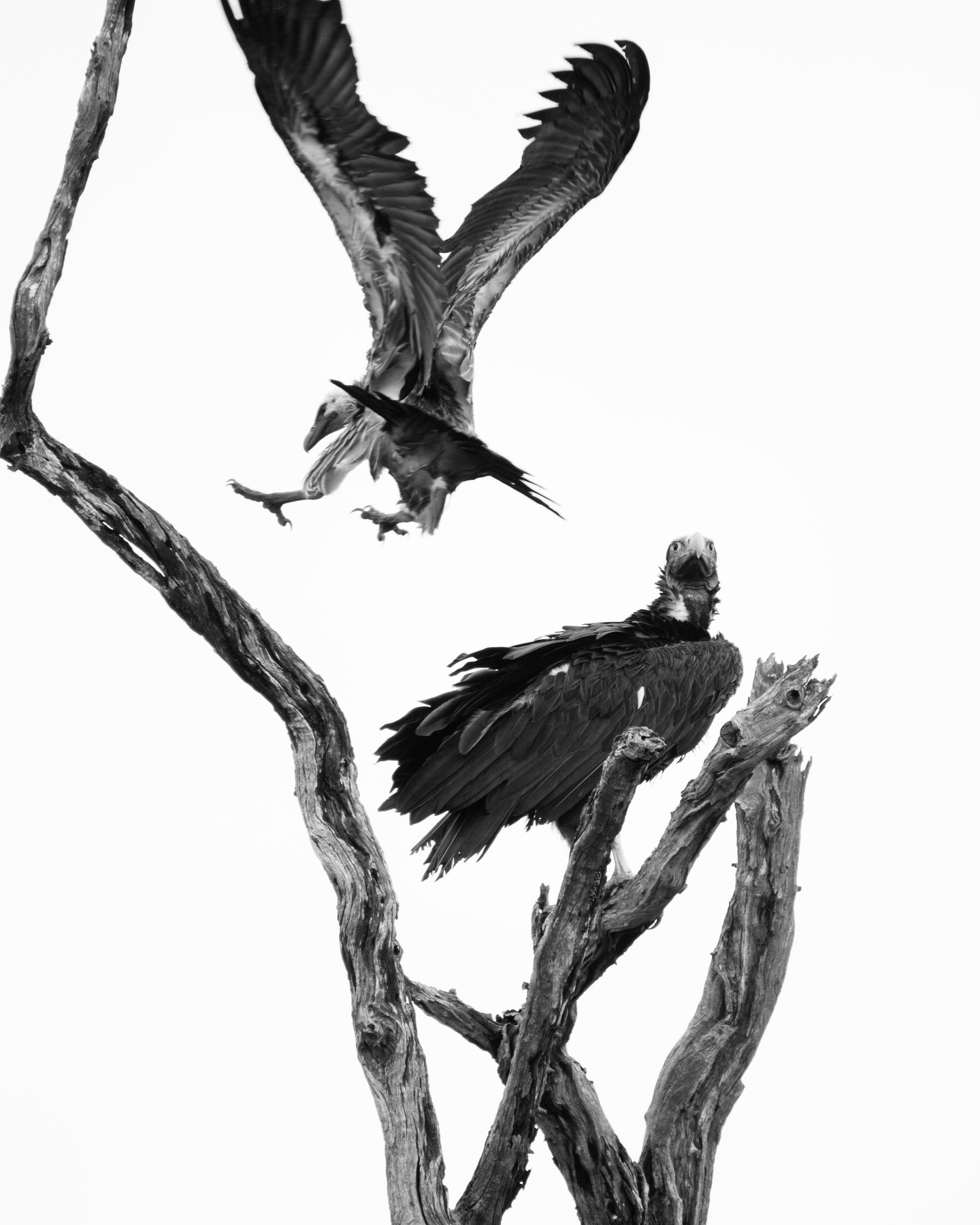
Two large, impressive vultures. The lower bird is a Lappet-Faced Vulture which sports the largest wingspan of any non-seabird in Southern Africa. A huge, powerful vulture that’s able to tear open carcasses to the benefit of slighltly smaller vultures like the White-Backed Vulture shown landing here.

January 9, 2023

June 08, 2022

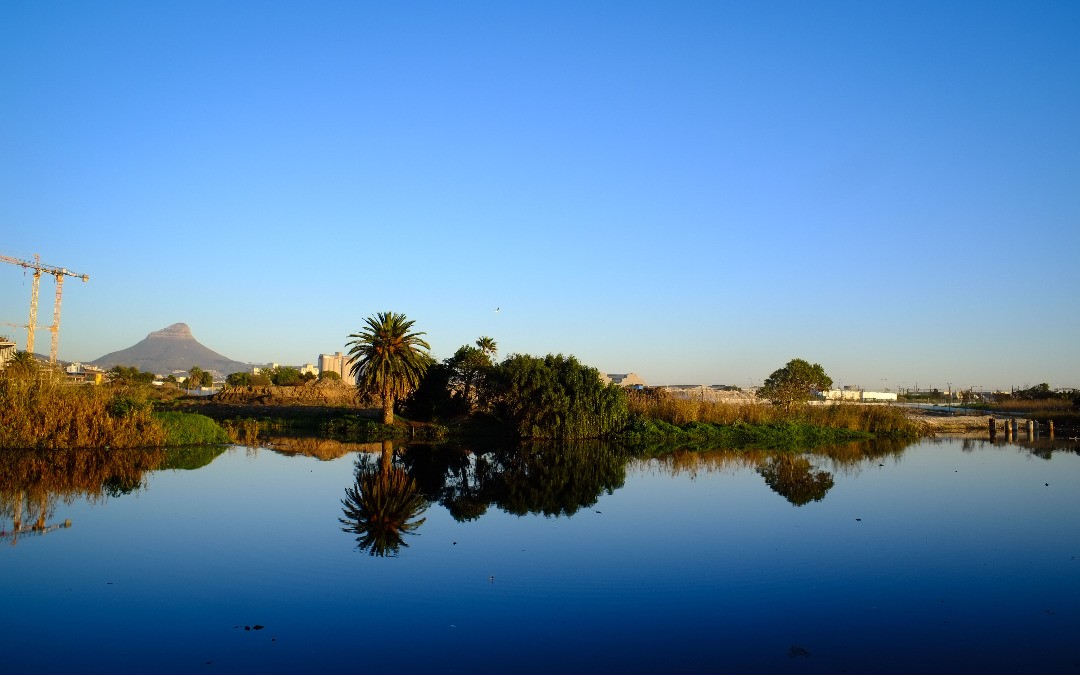
The date palm at the confluence stands on a tiny island. About the only thing on that bank spared destruction by the diggers and dozers. A good thing too as the willow beneath the palm seems to be a nesting site for Night Herons. Hopefully the cranes will be hauled away as they begin to rust.

June 8, 2022

June 08, 2022

Dawn light on the confluence of the Liesbeek and Black Rivers where we do our bird count. Egyptian Geese fly by. The cranes behind the little undamaged island stand silent, hopefully haemorrhaging money into bankruptcy for a company that sought to wreck the place with the collusion of the city that ignored its own environmental impact assessment which declared that it was wholly inappropriate to build on this environmentally sensitive floodplain. ...

June 8, 2022

September 12, 2021

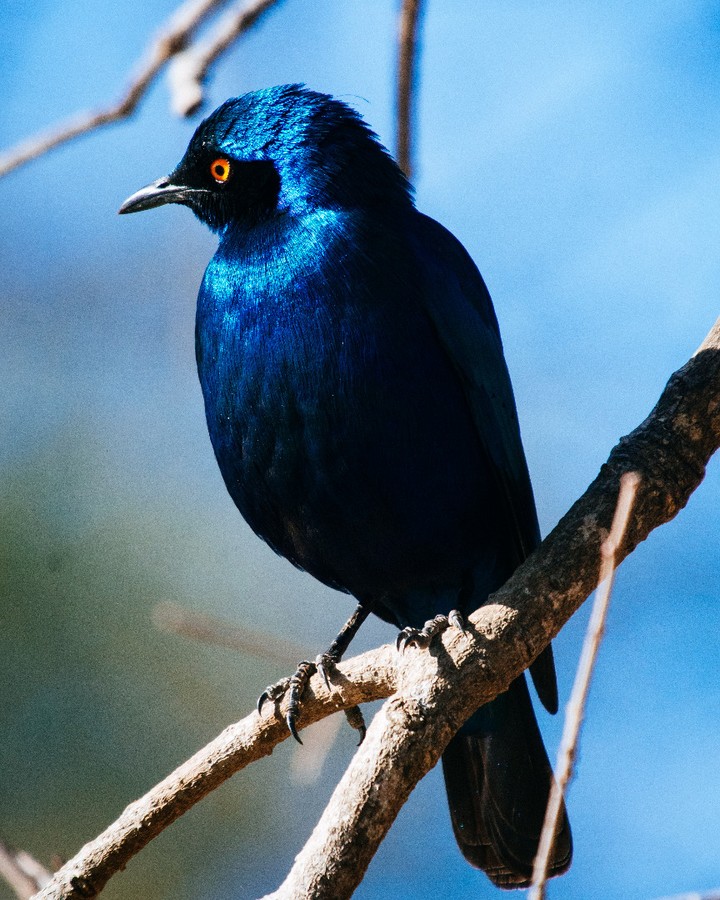
I decided I preferred this Blue Eared Starling pic.

September 12, 2021

September 12, 2021

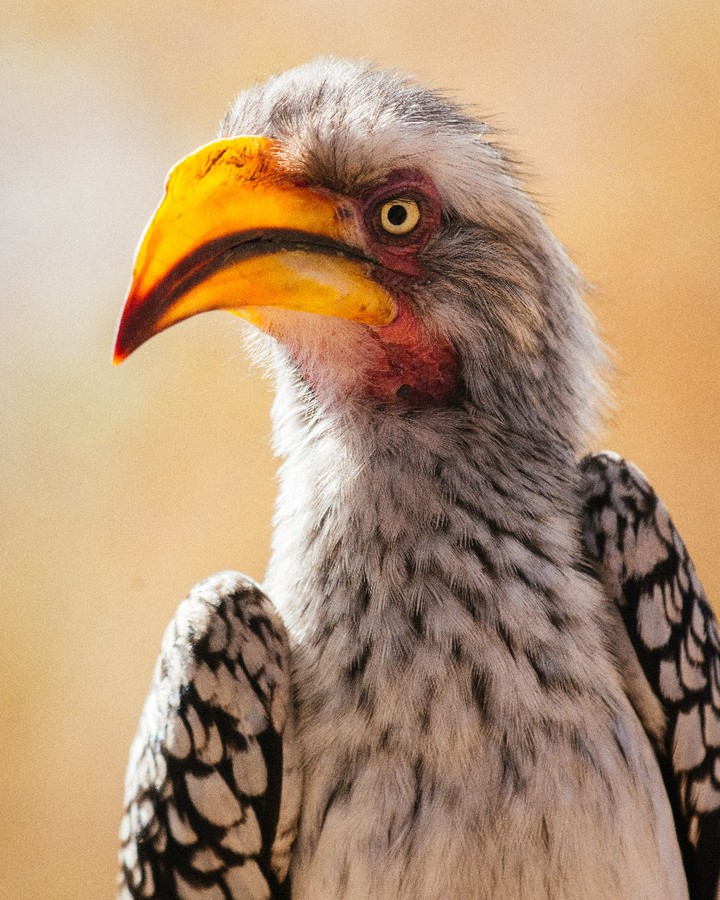
Another very common bird in The Kruger National Park: The Yellow-Billed Hornbill. And again, although they’re everywhere, they’re always fun. So full of arch, suspicious character and long glides just at windscreen level.

September 12, 2021

September 12, 2021

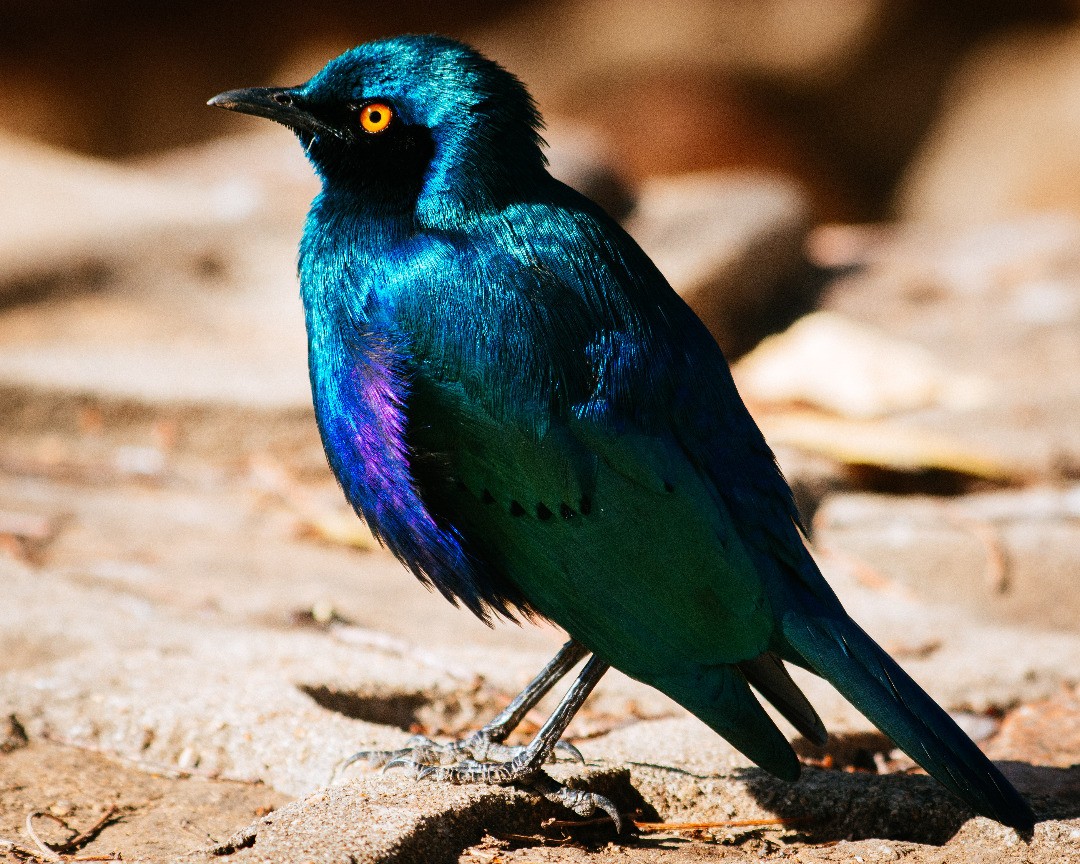
Would you believe that this creature is one of the most common birds in the Kruger National Park? They’re even common in Johannesburg gardens. They’re still stunning birds, no matter how ubiquitous - and cheeky - they are.

September 12, 2021

October 26, 2020

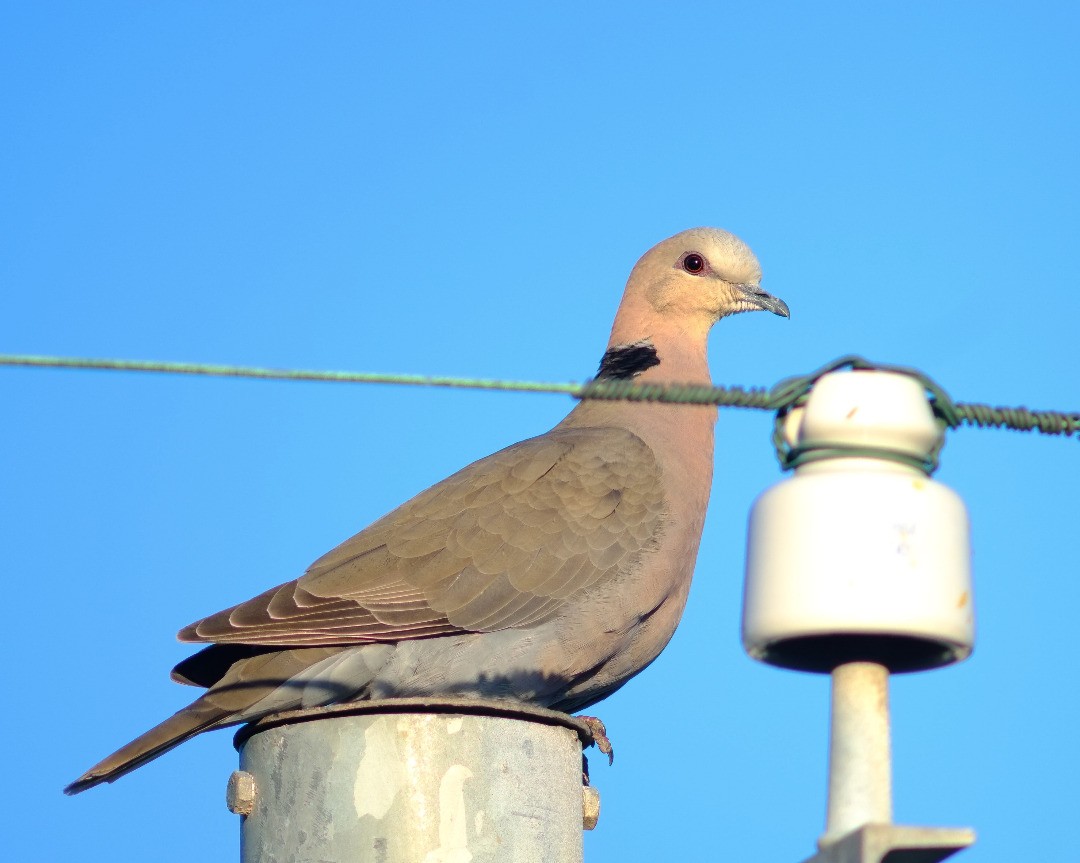
Balcony Birds No. 5. I used to be confused about what this was. It’s not a turtle dove. It’s a red-eyed dove - cunningly named after a feature that’s really difficult to spot with the naked eye. The easier way to tell is that they’re much larger than the Cape Turtle Dove, which is really quite a little thing. The Red-Eyed Dove is almost pigeon sized. It also has a pinky shade to its head and breast while the turtle dove is… dove-grey. They really are lovely, gentle things. Even if they’re not exactly geniuses.

October 26, 2020

September 15, 2020

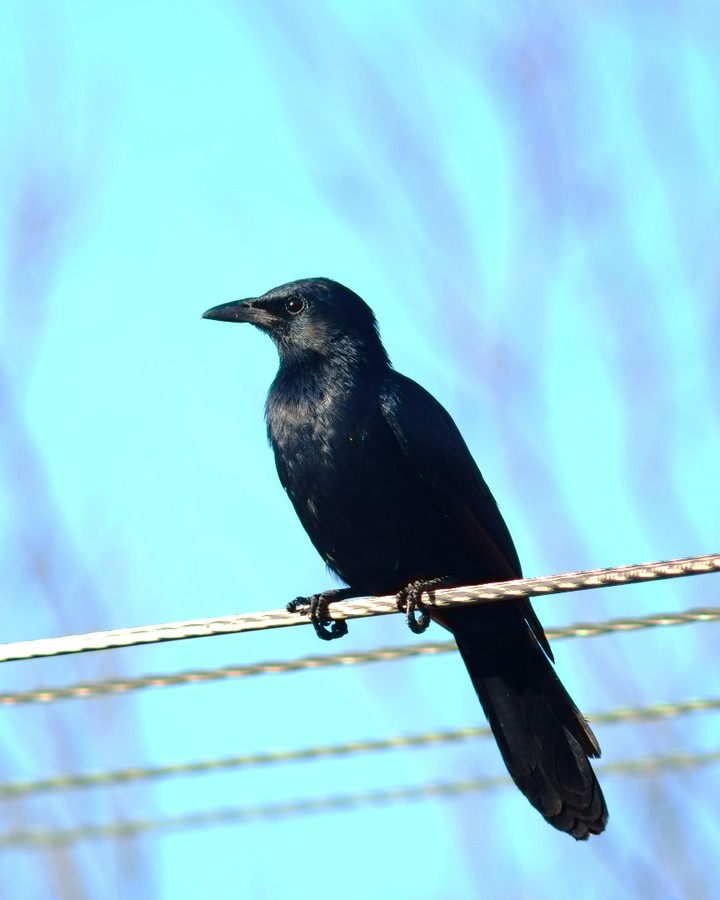
#balconybirds no.3. The Red-Winged Starling. This is a magic bird. From this angle you can’t see its dashing brick-red flight feathers that give it its name. This is one smart bird. Outside our old house I’d hear them give their special growling alarm call when our cats went out - to warn their foraging spouse and child that they’d spotted a predator. They hang about in these family groups. Males, like this. Females with their grey head. And the youngster who may look just like the parents but just hangs about waiting for handouts. It’s a cliff bird. Like many cliff birds including the European Rock Pigeon that’s ubiquitous worldwide, it’s adapted easily to the edifices of human cities. And being a great deal cleverer than pigeons, they’re not constantly being run over by cars. It’s a big and thoroughly charming starling.
September 15, 2020

February 07, 2020

@furiousgreencloud learns the art of birding the old fashioned way - with a big-ass fieldguide and a pair of West German binoculars. We were visiting her aunt Sharon at her house on a beautiful farm outside Moreesburg. I’m not much of a birder but I hopefully conveyed some of the basics.

February 7, 2020